
Campaign App Untuk Engagement That Actually Keeps Users Coming Back
Installing an app is easy. Getting someone to open it again next week is the hard part. A campaign app untuk engagement is built around exactly that gap, push notifications, in-app messages, and lifecycle campaigns timed to real user behavior, not a generic blast sent to everyone at the same time regardless of what they’ve actually done.
What's Probably Costing You Active Users Right Now
Notifications nobody opens anymore
Generic, poorly timed push notifications get ignored or muted entirely, training users to stop paying attention to your app before they’ve even had a reason to stay.
No messaging tied to what users actually do
A user who just completed an action and one who’s gone quiet for two weeks need completely different messages, and most apps send them the exact same thing, or nothing at all.
What You Get
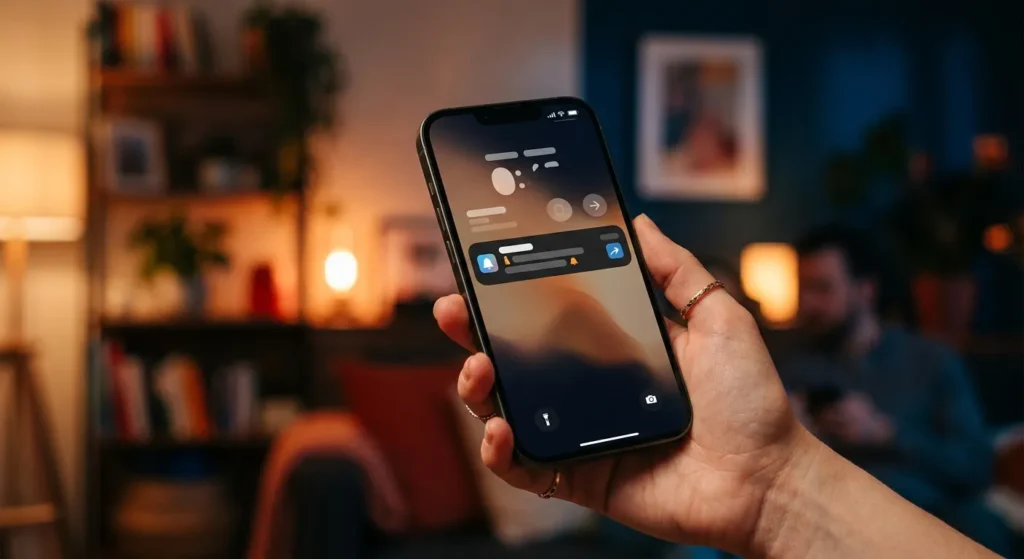
1. Push and in-app campaigns built around real behavior
Messages trigger off what a user actually did, or didn’t do, inside the app, so every notification has an obvious reason to exist instead of feeling random.

2. Lifecycle messaging for every stage of the user journey
New users, active users, and lapsed users each get their own messaging track, since a one-size campaign always underperforms for at least two of those groups.
3. Light gamification that gives people a reason to return
Streaks, milestones, and small rewards built into existing app behavior give users a reason to come back that doesn’t rely on a notification alone.

What Starts Moving Once Campaigns Go Live
Every app starts with different usage data, so we set real targets once we've reviewed yours.
What Actually Makes an Engagement Campaign Work?
Timing and relevance, not volume. A message sent at the right moment based on real behavior consistently outperforms a higher number of generic messages sent on a fixed schedule.
Why Teams Bring Us In for Engagement
We build on behavior, not a calendar. Campaigns trigger off what users actually do, so messaging stays relevant instead of becoming background noise.
We watch for notification fatigue. Sending more isn’t the goal. We track opt-out and mute rates closely, since losing permission to notify someone is far worse than sending one message less.
We tie engagement back to retention. The point isn’t opens for their own sake, it’s whether engaged users are actually sticking around and converting longer term.
What Gets Reported
Open and interaction rates by campaign
Each trigger and message type is tracked individually, so you can see exactly which campaigns are actually driving activity.
Return visit lift by user segment
New, active, and lapsed users are reported separately, since a strong overall number can still hide a segment that isn't responding.
Notification health
Opt-out and mute rates are tracked closely, since protecting the channel matters as much as using it.
Keep the Users You Already Worked to Get
Acquiring a user through the best agency for app install campaigns and cpi is only the first step. Keeping them engaged is what actually makes that initial acquisition spend pay off. A campaign built around real behavior, not a generic blast schedule, is what turns a fresh install into an active user who stays for months.”
Frequently Asked Questions
Not necessarily. Even a smaller, active user base benefits from behavior-triggered messaging, since it’s about relevance, not volume.
Basic event tracking, what actions users take and when, is usually enough to start. We’ll tell you clearly if anything important is missing.
Not necessarily more, just more relevant ones. In many cases, cutting generic notifications while adding targeted ones improves results without increasing volume.
This focuses specifically on in-app and push engagement mechanics, campaigns, timing, and triggers, rather than broader retention work like pricing or onboarding redesign.
Yes, in-app and push campaigns typically complement existing email or CRM efforts rather than replacing them.
Ready to Turn Installs Into Active Users?
Tell us about your app and current engagement setup, and we’ll show you exactly where users are going quiet and what to do about it.